I'm Paul McQuiston, a science communications professional who loves to see convergence in action.
Professionally, I have covered a wide range of editorial and design responsibilities. From a complete overhaul of brand visual identity to event photography, I’ve done it.
I have created discrete visual and editorial identities designed to target audiences as disparate as leading scientists, potential donors, and prospective students,
I believe no matter how elevated the concept, everything can be related simply.
Recent Writing
USC faculty are getting closer to understanding what happens in your brain when you hear a familiar song — which could affect those struggling with dementia and Alzheimer’s disease.
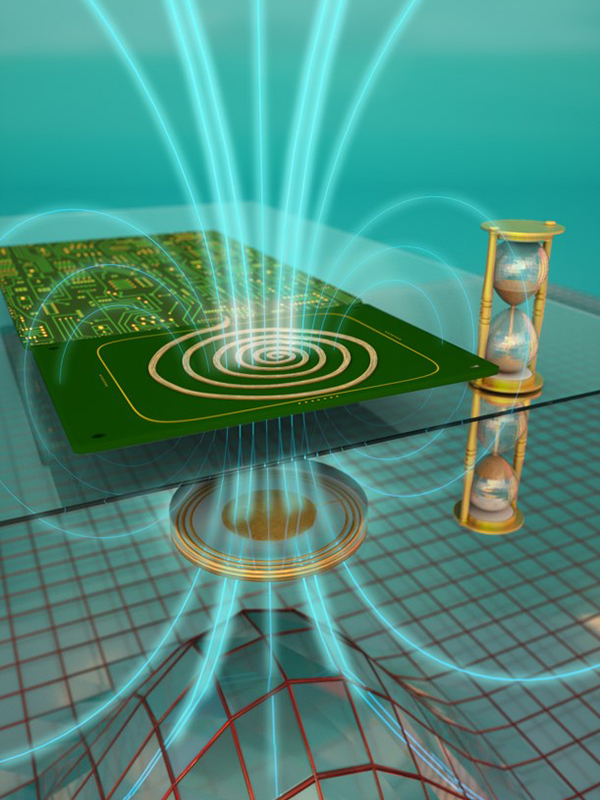
Wireless microsensors have enabled new ways to monitor our environment by allowing users to measure spaces previously off limits to research, such as toxic areas, vehicle components, or remote areas in the human body. Researchers, however, have been stymied by limited improvements in the quality of data and sensitivity of these devices stemming from challenges associated with the environments they operate in and the need for sensors with extremely small footprints.
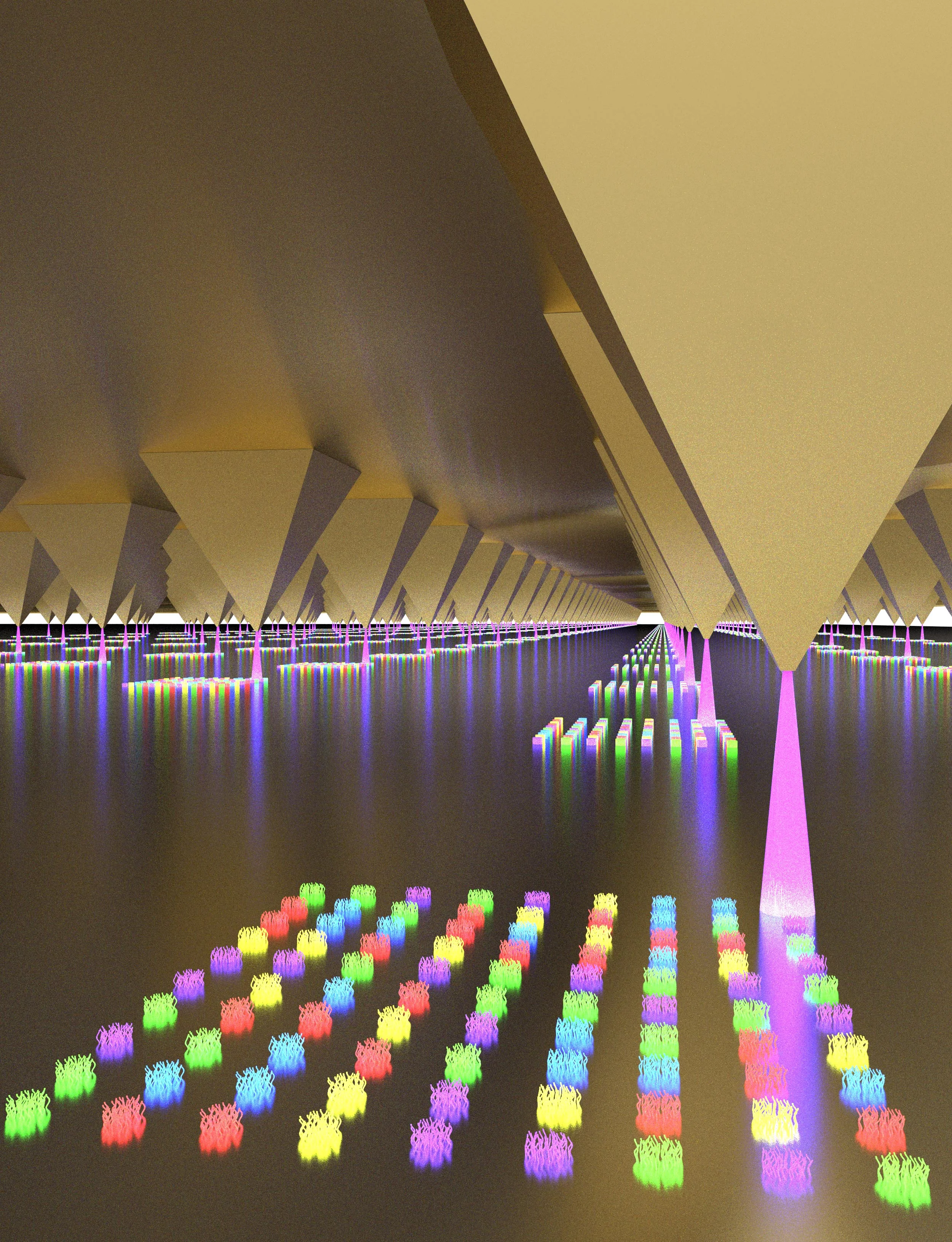
The new technology could allow researchers to fit more biochemical probes onto a single biochip and reduce the cost of screening and analyzing changes associated with disease development, detecting bioterrorism agents, and other areas of research
Scientists have long known that melanin—the pigments that give color to skin, hair and eyes—has numerous useful qualities, including providing protection from cancer-causing UV radiation and free radicals, but also electronic conductance, adhesiveness and the capacity to store energy.